
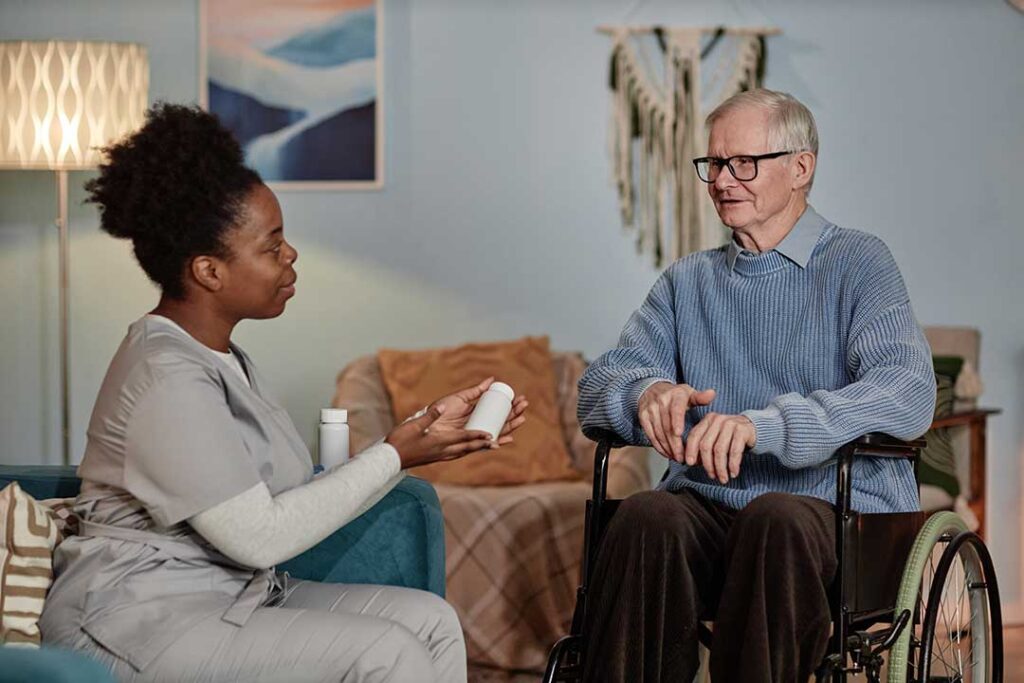
Favorite games and pastimes in assisted living are usually the activities that feel familiar, social, and easy to adapt. Residents may enjoy card games, puzzles, music, crafts, conversation groups, gardening, gentle movement, or simply sharing a favorite hobby with others.
The most successful activities are not necessarily elaborate. They give people a reason to participate, offer a comfortable level of challenge, and allow each person to take part in a way that matches energy, vision, hearing, mobility, and personal interests.
What games are popular in assisted living?
Card games, bingo, trivia, word games, and board games remain popular because they are familiar and can be played at a relaxed pace. Many residents enjoy activities that encourage conversation as much as competition.
Common choices include:
- Bridge, pinochle, rummy, solitaire, and simple matching games
- Bingo with large-print cards and clearly announced numbers
- Checkers, chess, dominoes, and tile-based word games
- Trivia about music, history, television, sports, food, or local traditions
- Crossword puzzles, word searches, and finish-the-phrase games
- Dice games that use large, easy-to-handle pieces
Game preferences vary widely. Some people enjoy keeping score and working toward a win. Others prefer cooperative games where participants solve a problem together or share answers without pressure.
A useful activity schedule includes both types. Competitive games can provide mental stimulation and excitement, while cooperative activities may feel more welcoming to residents who are new to a group or who are concerned about making mistakes.
Why do familiar games appeal to older adults?
Familiar games often reduce the stress of learning complicated rules. Residents can rely on memories of how the game works, even if they need occasional reminders or assistance.
Games may also support several kinds of engagement at once. A card game can involve memory, hand coordination, decision-making, conversation, and humor. Trivia may encourage residents to recall personal experiences, while a word puzzle can be completed independently or with a partner.
The social setting matters as much as the activity itself. A resident may attend a game not because the game is a lifelong favorite, but because it creates a regular opportunity to see familiar people.
That is especially helpful for residents who have recently moved, are adjusting to a new routine, or have fewer chances for spontaneous social interaction. A predictable weekly game can become an anchor in the schedule.
Which activities work well for residents with different abilities?
Activities should be flexible rather than designed around a single level of memory, vision, hearing, or mobility. A good pastime allows residents to participate fully, partially, or with assistance without feeling singled out.
Helpful adaptations may include:
- Large-print cards, puzzles, and instructions
- High-contrast game pieces that are easy to see
- Lightweight materials that are simple to hold
- Fewer pieces or shorter rounds
- Verbal explanations followed by a demonstration
- Team play instead of individual competition
- Extra time for responses and turns
- Quiet spaces for residents who become overwhelmed by background noise
A resident with limited hand strength might enjoy trivia, music, storytelling, or a verbal guessing game instead of a game requiring small pieces. Someone with hearing loss may participate more comfortably when the group sits in a circle and only one person speaks at a time.
Residents living with memory loss may still enjoy familiar songs, sorting activities, sensory crafts, simple matching games, and conversation about earlier life experiences. The purpose is not always to complete the activity perfectly. Comfort, connection, and enjoyment are valid outcomes.
What are good creative pastimes?
Creative activities can be adapted for beginners and experienced hobbyists alike. They provide an opportunity for self-expression without requiring a correct answer.
Popular options include painting, coloring, seasonal decorations, greeting-card making, knitting, crocheting, simple woodworking projects, floral arranging, and scrapbook-style memory projects. Some residents prefer practical crafts that result in something useful, while others enjoy experimenting with colors, textures, or patterns.
Music is another important pastime. Residents may enjoy sing-alongs, listening sessions, rhythm instruments, music-themed trivia, or discussions about songs connected to meaningful memories. A person who does not wish to sing may still participate by choosing songs, tapping along, or sharing a story about a performer or musical tradition.
Creative activities should avoid treating older adults as children. Materials and instructions can be simple without being childish. Projects connected to seasonal traditions, household skills, personal history, or artistic preferences often feel more respectful and meaningful.
Are outdoor activities possible in Monaca?
Outdoor pastimes can be enjoyable when weather, mobility, and safety conditions are suitable. In Monaca, seasonal changes can affect when residents are most comfortable outdoors, so activities often work best during mild morning or afternoon periods rather than during temperature extremes.
Possible outdoor activities include:
- Sitting in a shaded area for conversation
- Container gardening or caring for raised planting beds
- Watching birds or noticing seasonal changes
- Walking short, familiar routes
- Outdoor music or reading groups
- Lawn games modified for seated participation
- Visiting a secure courtyard or garden area

Outdoor time does not have to involve strenuous exercise. A resident may benefit from fresh air, sunlight, nature observation, or conversation even during a short supervised visit outside.
Planning should account for uneven surfaces, glare, wet pavement, heat, cold, wind, and access to seating. Comfortable clothing, hydration, and appropriate supervision may be needed, particularly for residents with balance concerns or conditions affected by temperature.
How can families support favorite pastimes?
Families can help by sharing information about a resident’s interests rather than assuming that every older adult enjoys the same activities. Useful details may include favorite card games, former hobbies, preferred music, meaningful collections, work-related skills, or activities once enjoyed with friends.
A few simple questions can reveal helpful preferences:
- What games did the resident play regularly?
- Did the resident prefer group activities or quiet hobbies?
- Were there favorite songs, crafts, sports, books, or puzzles?
- Does the resident enjoy teaching others a skill?
- Are there activities the resident avoids because of vision, hearing, pain, or frustration?
Personal items can sometimes make an activity more inviting, provided they are practical and safe to use. Large-print books, familiar photographs, washable craft materials, or a favorite type of puzzle may help a resident feel more comfortable joining a group.
It is also helpful to accept changing interests. A person who once enjoyed complicated card games may later prefer music, conversation, or a shorter activity. Participation can vary from day to day depending on sleep, pain, mood, medication effects, and energy.
What makes an assisted living activity successful?
A successful pastime is accessible, voluntary, and socially comfortable. It gives residents a clear way to participate without making them feel embarrassed if they need help or choose to watch.
Activities tend to work well when they have:
- Simple instructions and a visible demonstration
- A welcoming group size
- Reasonable time limits
- Materials suited to residents’ abilities
- Options for sitting out or joining late
- A balance of mental, creative, physical, and social activities
- Staff or volunteers who focus on encouragement rather than performance
The best schedule includes variety. Some residents may look forward to a lively game of trivia, while others prefer a quiet puzzle, a garden visit, or a familiar song. Offering different choices respects individual identity and helps assisted living feel less like a fixed routine and more like a community shaped by the people who live there.
